Extreme environments demand composites, not compromise
From marine platforms to chemical plants, engineers often default to steel or aluminum for structural components because they are well codified in standards and inexpensive upfront. However, in extreme marine, chemical, or high-temperature settings, these materials can face performance and durability challenges that increase maintenance requirements and lifecycle costs. Here, Sami Pirinen, our research manager, explores why the conventional choice is not always the most robust — and why engineers should give greater consideration to composite materials for these demanding environments.
In extreme environments, metals like steel and aluminum often face challenges. Some steels can experience reduced ductility and increased brittle-fracture risk at low temperatures, depending on alloy. Conversely, aluminum’s relatively high thermal expansion can create dimensional design constraints under thermal cycling. These behaviors can create structural design challenges, especially in applications subjected to rapid thermal transitions or mechanical stresses, whereas composite materials can be engineered to provide greater dimensional stability.
As an alternative, composites are engineered materials made by embedding fibers such as glass or carbon in a polymer resin matrix. Unlike metals, which are isotropic, composites are anisotropic, which means their strength and stiffness vary with fiber orientations. This allows engineers to tailor a component’s properties to specific design requirements, including mechanical performance, thermal stability, and chemical resistance.
Composites in demanding environments
Extreme temperatures highlight one of the key advantages of composite materials: their ability to be engineered for specific operating conditions. Across industries, composites are used in applications ranging from cryogenic systems approaching −200°C to elevated-temperature industrial environments operating near 200°C. By selecting the appropriate combination of fibers and resin systems, engineers can tailor properties such as thermal stability, dimensional stability, strength, and chemical resistance to the demands of the application.
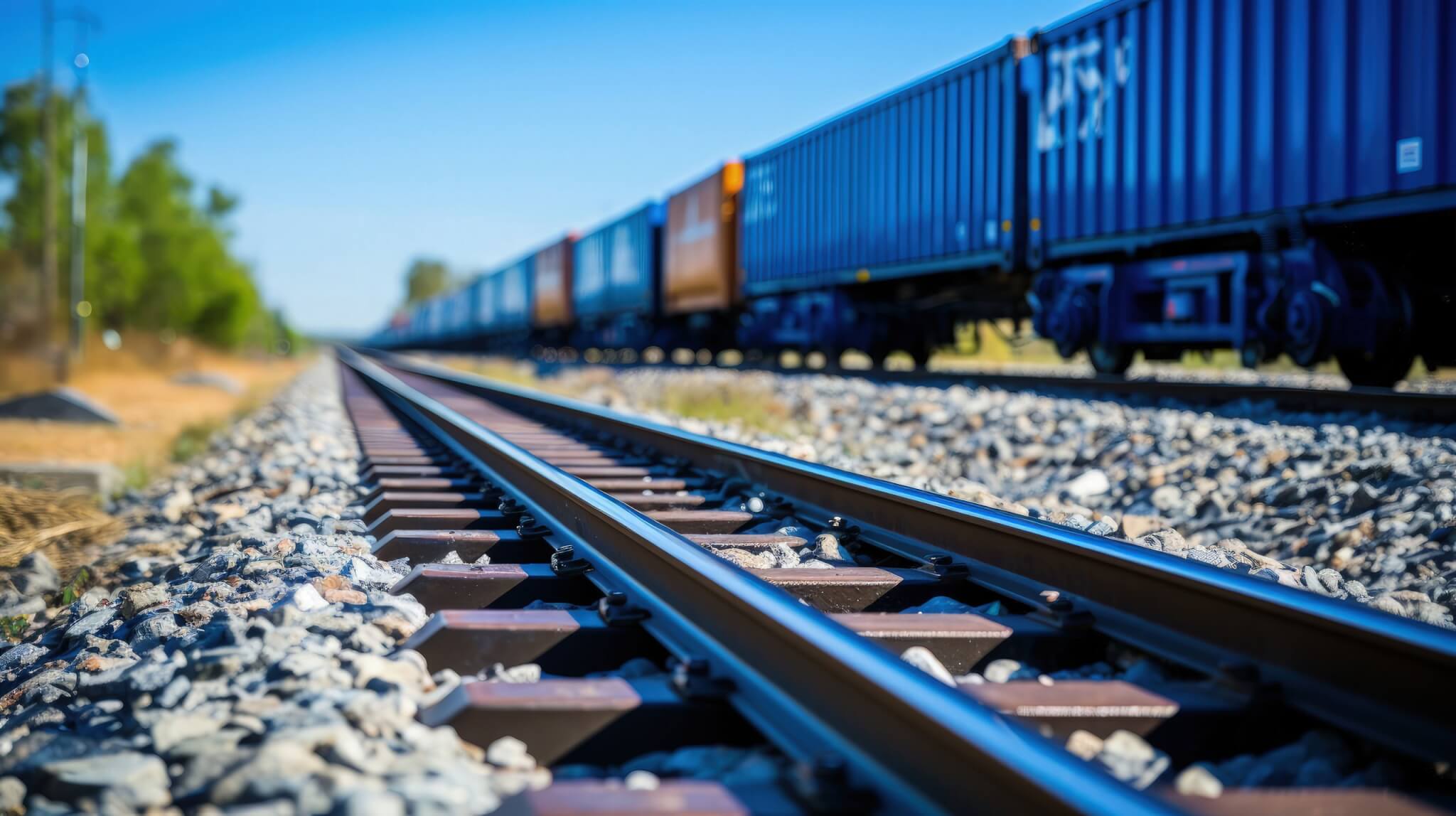
This adaptability also benefits rail infrastructure. For example, GFRP insulated rail joints maintain their mechanical strength and electrical insulation properties under significant temperature variations, supporting reliable performance in climates ranging from tropical heat to arctic cold while meeting the requirements of the European EN 16843 standard.
While extreme temperatures can require careful material selection, corrosive environments often present the greatest long-term challenge for structural components. In marine, chemical, and industrial settings, steel and aluminum structures typically rely on protective coatings, material selection, and ongoing maintenance programs to achieve their intended service life. When these protective systems are damaged or degraded, corrosion can accelerate, increasing maintenance requirements and lifecycle costs.
These challenges are particularly significant in environments such as marine and gas platforms, where structural walkways and supports are routinely exposed to salt spray, humidity, cleaning chemicals, and harsh weather conditions. One alternative is the use of GFRP walkways and structural panels, which are specifically designed for corrosive environments. Unlike conventional metallic structures, GFRP materials offer inherent resistance to many corrosive agents, including saltwater, moisture, and a wide range of industrial chemicals. As a result, they can often deliver long service lives with reduced maintenance requirements and without the need for corrosion-protection coatings.
In long-term service, GFRP walkways and structural panels have demonstrated durable performance in demanding marine and industrial environments. They retain their structural integrity, stiffness, and dimensional stability under repeated loading from personnel and equipment, helping operators reduce maintenance interventions, enhance asset availability, and minimize personnel exposure to hazardous maintenance activities.
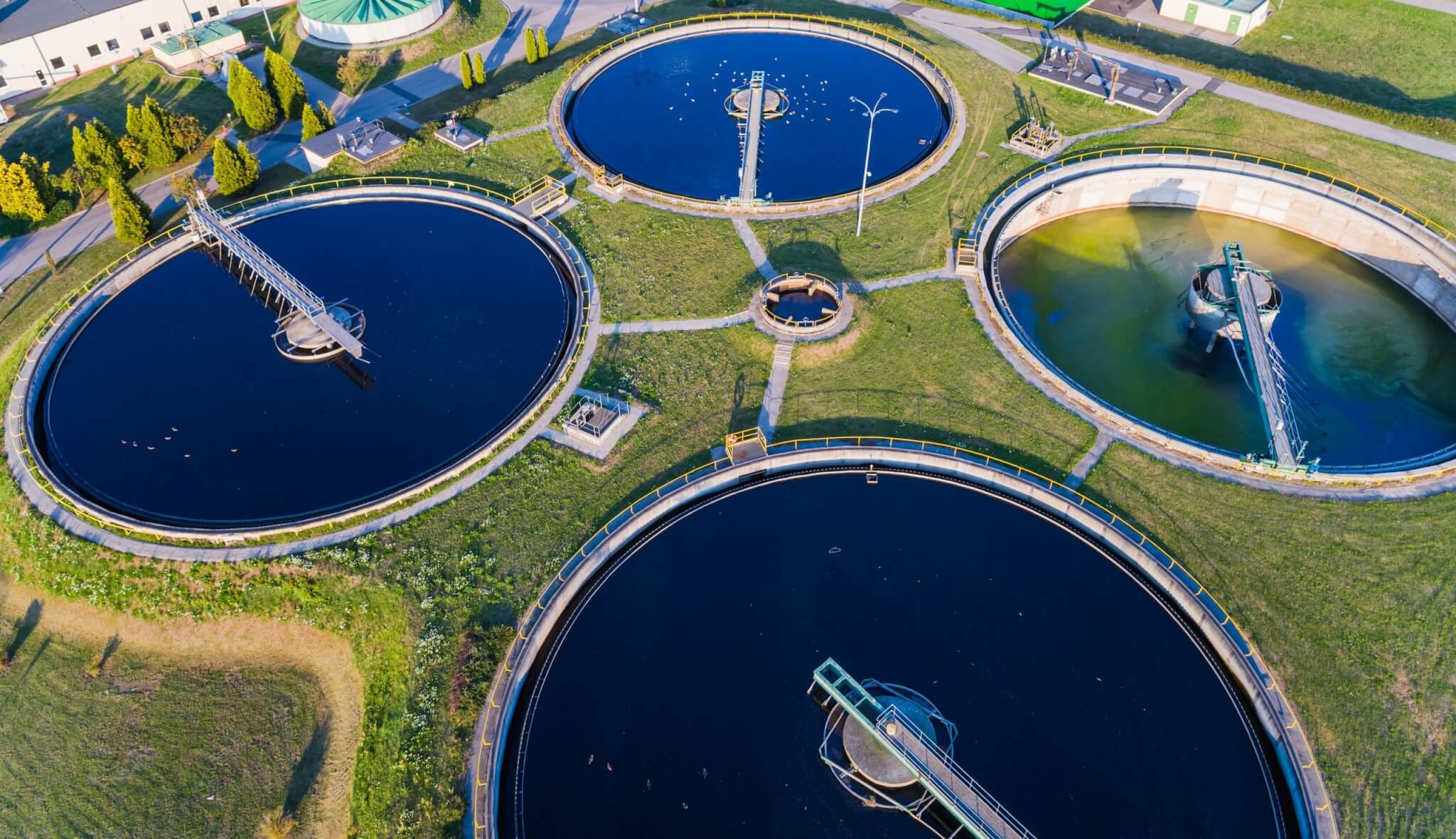
The advantages of composites translate to a variety of environments and applications, including industrial water and wastewater facilities. Traditional steel ducts, gratings, or supports be affected by hydrogen sulfide, chlorine, and other aggressive chemicals, causing paint to peel and corrosion to spread, potentially compromising long-term reliability and increasing maintenance requirements.
Fatigue performance
The durability of composites extends beyond corrosion resistance to fatigue performance. In corrosive facilities, metals may already show corrosion or coating degradation, and under repeated loading, those areas become sites for crack initiation. Over time, cyclic stresses from vibrations, equipment loads, or environmental shifts can accelerate crack growth, reducing component life and ultimately requiring repair or replacement.
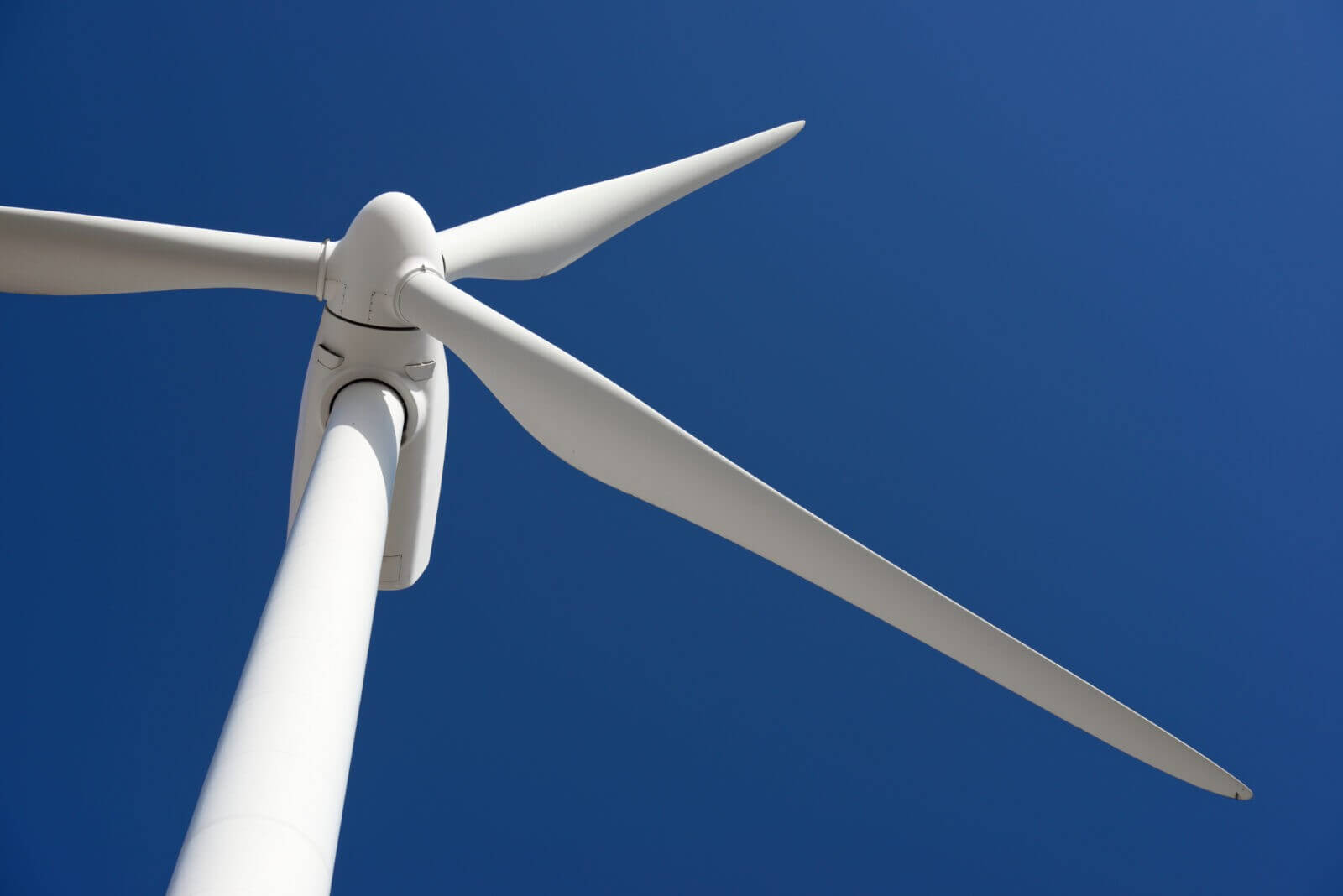
Composites, by contrast, generally exhibit different fatigue damage mechanisms and can provide excellent fatigue resistance. Take, for instance, Exel’s carbon fiber spar caps for wind turbine blades. These are produced through pultrusion, a continuous manufacturing process where fibers are drawn through a resin bath and heated die to create long, high-quality profiles with consistent mechanical properties. The resulting components provide the stiffness-to-weight ratio needed for blades to reach 100 m in length and beyond, while enduring millions of stress cycles in demanding conditions. Another example from Exel is composite elevator rope, which combines low weight with excellent fatigue resistance. In addition to reducing energy consumption, it can also extend maintenance intervals compared with conventional steel ropes.
Compared with many conventional materials, composites can offer an attractive combination of fatigue resistance, corrosion resistance, and low weight, helping engineers achieve reliable long-term performance in challenging operating conditions.
Yet in safety-critical industries, proven endurance is only part of the equation. Manufacturers must also demonstrate compliance with recognized standards, without which adoption can stall. Fortunately, far from being experimental, composites have been used in demanding industries for decades and are now supported by formal standards such as EN 16843 for railway applications and IEC TS 62818-1 for testing in power transmission applications.
In fact, Exel Composites’ director for product management, Antti Hassinen, has contributed to shaping IEC TS 62818-1 as part of IEC Technical Committee TC 7, the first global specification for composite conductor cores used in high-temperature low sag (HTLS) reconductoring. Exel’s vice president of technology, Eric Moussiaux, also supported the development of the Eurocode framework for composite structures through his role in European Standards committees. These standards provide engineers with a reliable, codified basis for design and testing, removing uncertainty, and ensuring that composites are assessed on equal terms with metals.
Why engineers still often default to metals
Even with a strong track record in wind power and rail, structural engineers often overlook composites in favor of steel or aluminum. They lean on metals due to familiarity, backed by a century of design codes, supply chains, and maintenance practices that make them feel lower-risk. Composite standards continue to evolve but do not yet have the same long-established history design codes for metals, which can encourage conservative material selection.
Cost perception is another factor. Steel and aluminum appear to be the most economical choice based on initial purchase price alone. However, in corrosive or high-stress environments, ongoing inspection, maintenance, and corrosion management can add significantly to the total cost of ownership. Combined with the operational benefits of lightweight composite structures, these factors mean the lowest upfront cost does not always translate into the lowest total cost of ownership.
By contrast, composite solutions can deliver long service lives with reduced maintenance requirements. Marine structures, conductor cores, elevator ropes, and insulated rail joints illustrate how lower maintenance demands and fewer interventions can contribute to reduced lifecycle costs.
The challenge is not that engineers are making “mistakes”, but that material selection is often influenced by familiarity, established design practices, and proven supply chains. While these considerations are important, they can sometimes limit the evaluation of alternative materials that may offer performance advantages in particularly demanding service environments. As a result, opportunities to improve asset reliability, reduce maintenance requirements, and lower total cost of ownership may be overlooked.
Choosing metals because of their availability and long-established design codes can appear to be the lower-risk option. However, in corrosive, fatigue-intensive, or otherwise demanding environments, maintenance requirements and lifecycle costs can become significant considerations. Composites are no longer an outlier. They are codified, certified, and proven across industries ranging from rail and energy to marine and water treatment.