Lighter structures, faster installation: how composites helped Otexio rethink FENCELINE® anti‑litter systems
Keeping waste where it belongs is harder than it sounds. Wind, traffic and weather all work against even the best‑designed waste‑management sites, allowing litter to escape into surrounding areas. For decades, heavy steel structures have been the default answer for holding anti‑litter netting in place. They do the job, but they are also slow to install, difficult to handle and increasingly out of step with how operators want to work today.
French company Otexio decided it was time for a change. By replacing galvanized steel pillars with composite structural profiles supplied by Exel Composites, Otexio has made its anti‑litter systems lighter FENCELINE®, faster to install and easier to manage on site — while keeping the durability needed for demanding outdoor environments.
A practical approach to waste‑management textiles
Otexio is a designer and manufacturer of waste‑management and anti‑littering systems. The company develops custom‑made nets, tarpaulins and protective textile systems used to secure waste, materials and industrial environments during pick‑up, transport and storage. Alongside this, Otexio also offers packaging reuse solutions that support the circular economy.
Its activities are structured around three main areas: pick‑up, transport and storage. Whether it is securing waste during collection, covering loads in transit or protecting stored materials, the company’s focus is on providing practical solutions that work reliably in the field. Operating mainly in France and across Europe, Otexio supplies municipalities, waste‑management operators and industrial customers. By 2026, the company expects revenues to reach €14 million and employs around 60 people.
Preventing litter from spreading — whatever the conditions
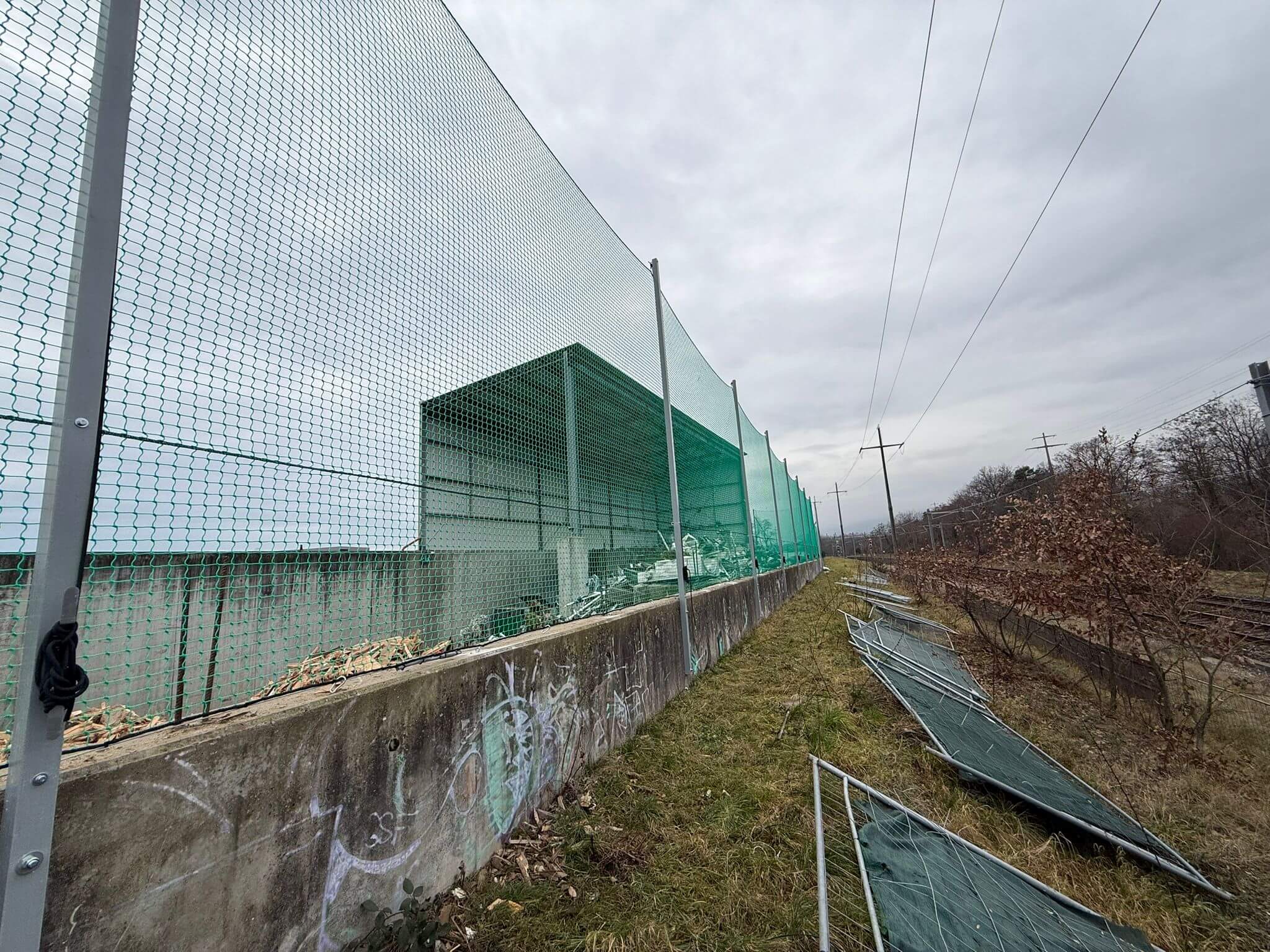
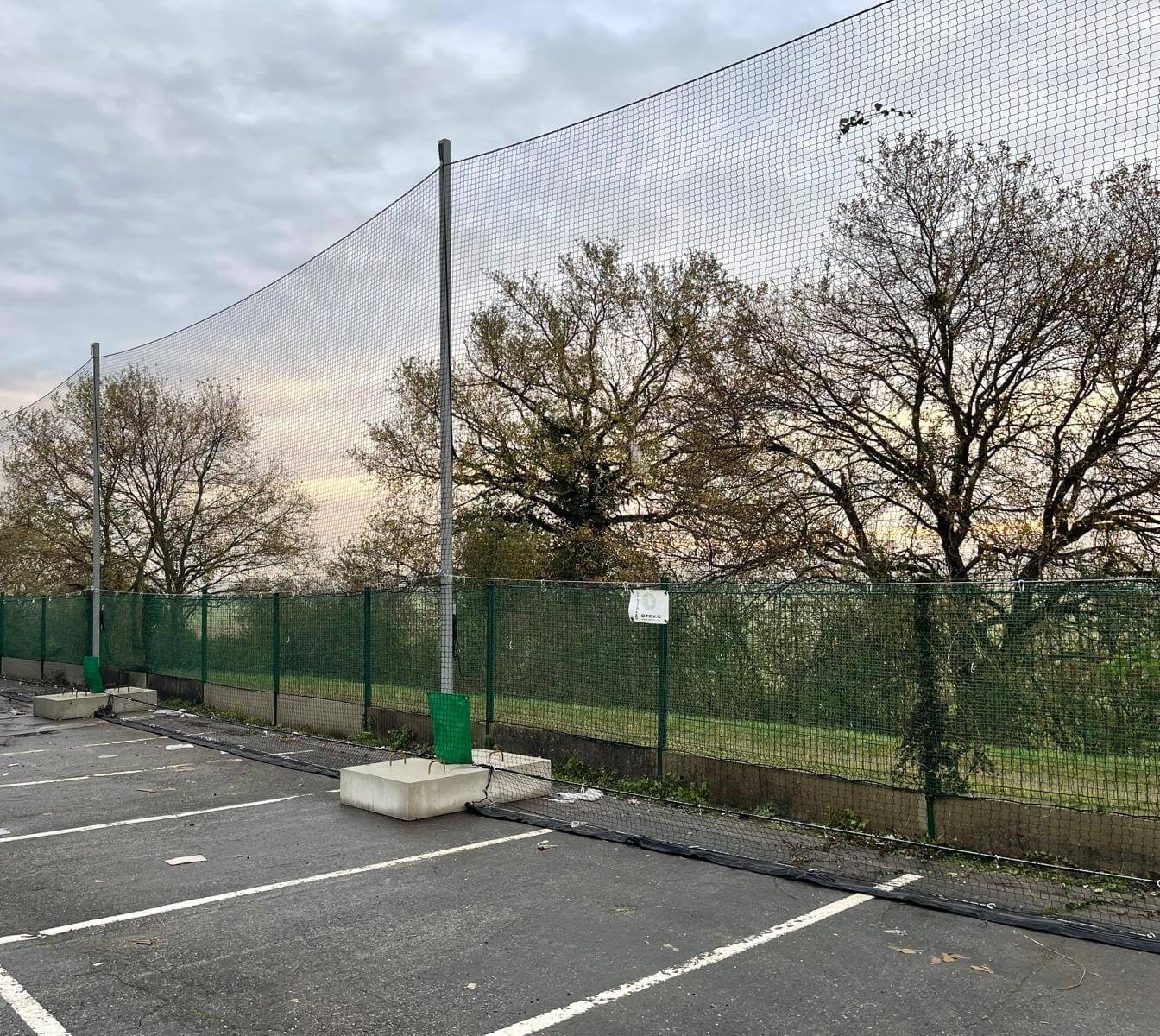
One of Otexio’s key solutions is its anti‑litter netting system FENCELINE®, designed to prevent waste from spreading into cities, neighboring properties, adjacent land, or transport infrastructure such as roads and railways. The system combines concrete ballast, vertical posts, tensioned cables and textile nets to create a physical barrier against wind‑borne litter.
The same structures can also be used for dust control, rain protection and privacy screening. Each installation is adapted to the site, with structural calculations based on parameters such as wind loads, net clogging rates, installation height and the distance between posts. In all cases, the vertical pillars are central to the system’s performance and usability.
When steel becomes a limitation
For many years, Otexio relied on galvanized steel or aluminum structures for these pillars. While robust and familiar, they came with clear drawbacks. Steel is heavy, requiring more people on site, more handling equipment and longer installation times. Lead times can be inflexible, and repairs often involve complex logistics.
As Otexio looked to differentiate itself and improve responsiveness, these limitations became harder to ignore. Weight reduction quickly emerged as a priority, alongside easier handling, faster installation and a reduced environmental impact. The objective was not only to improve performance, but also to simplify the entire lifecycle of the system — from quotation to installation and after‑sales service.
Exploring composites as an alternative & partnering with Exel
The idea of switching to composites grew gradually through trade shows, technology monitoring and a general desire to innovate beyond traditional steel and aluminum solutions. Customer expectations played a role too, as did Otexio’s commitment to a stronger CSR approach.
Composites offered an appealing combination of strength, corrosion resistance and low weight, particularly for outdoor applications. The challenge was finding the right partner and solution that could deliver these benefits consistently, at scale, and without complicating production or logistics.
Otexio first met Exel at the Pollutec Environment Exhibition in France several years ago. Early discussions led to testing and evaluation, and eventually to a concrete project: replacing steel structural pillars with stocked composite box profiles supplied by Exel.
Confidence in the partnership came not just from the material itself, but from the overall balance Exel offered in terms of quality, pricing and delivery times.
“We feel we are working in a partnership relationship,” Rémy MARTIN, head of the R&D department at Otexio explains. “Exel offers a good quality‑price‑delivery time ratio, which is essential for us.”
Making installation lighter, faster and simpler
Today, Exel’s composite profiles are delivered directly to Otexio’s subcontractors, where they are cut and post‑processed before integration into the final systems. This supply model provides flexibility in ordering and storage, helping Otexio stay responsive to customer demand.
On site, the advantages are immediate. The composite pillars are significantly lighter than steel, making them easier to handle and faster to install. In many cases, heavy lifting equipment is no longer required, and fewer workers are needed during assembly. This not only saves time, but also improves safety and ergonomics for installers.
Even if composite materials can be slightly more expensive per unit, the lifecycle perspective is what matters. Faster installation, reduced labor requirements, simpler logistics and quicker repairs all contribute to a lower total installed cost.
More value for customers
Since switching to composite structures, Otexio has seen tangible improvements. Assemblies are faster, labor requirements are lower and reliance on heavy equipment has been reduced. Quotation processes are more responsive, and after‑sales service benefits from shorter lead times thanks to easier handling and faster material availability.
Their customers have also noticed the difference. Otexio is increasingly recognized as an innovative supplier, offering technical alternatives to traditional systems. For customers who install the systems themselves, the lighter composite pillars make assembly noticeably easier, while also reinforcing the environmental and ergonomic benefits of the solution.
Composites opening new possibilities
Waste management is not always seen as a hotbed of innovation, yet Otexio continues to modernize the sector by rethinking materials, ergonomics and system design. The move from steel to composites may seem modest at first glance, but in practice it reshapes how systems are installed, maintained and delivered.
It is a reminder that meaningful innovation does not always require radical reinvention. Sometimes, choosing the right material can make everyday work simpler, faster and more efficient.
The collaboration between Otexio and Exel highlights how structural composites can create value far beyond their traditional applications. In anti‑littering and waste‑management systems, lighter structures, corrosion resistance and supply‑chain flexibility translate directly into operational benefits on site.
As efficiency and environmental responsibility become increasingly important, solutions like FENCELINE® show how advanced materials like composites can effectively modernize essential infrastructure.
Discover how Exel’s structural composite profiles can support your application and reduce total system costs. Get in touch with us to explore the possibilities.
To learn more about Otexio and its waste‑management solutions, visit www.otexio.com.